
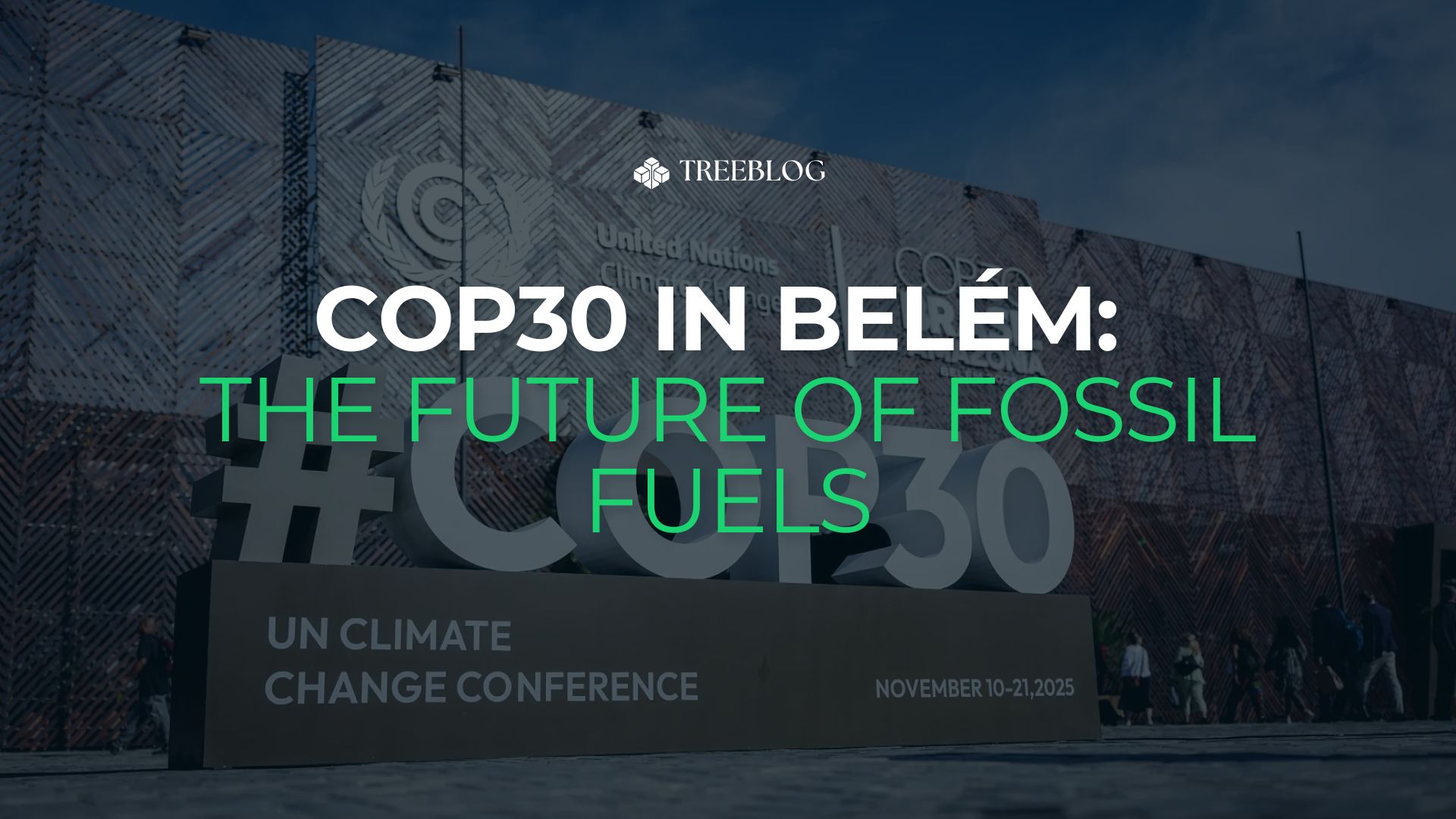
The United Nations Climate Change Conference — COP30 — was held in Belém, Brazil, from 10 to 22 November 2025. In the final days of the conference, the issue of phasing out fossil fuels returned to the center of the debate, with strong mobilization from countries demanding a clear roadmap for global decarbonization. Negotiations, however, proved difficult: despite strong political and social pressure for a faster transition, the final approved text does not include a binding timeline for phasing out fossil fuels.
What happened: key outcomes from COP30
Mobilization for a fossil fuel roadmap.
During the conference, more than 80 countries (various outlets report 82–83 nations) formally expressed support for a global plan to progressively eliminate coal, oil, and gas, insisting that the transition be a core part of the COP’s final outcome. This call came from coalitions including Pacific nations, African and Latin American countries, and several European states.
Tensions and resistance.
Despite growing support, groups of countries — including delegations with strong energy interests or development concerns — pushed to remove binding language on phasing out fossil fuels from the negotiation text. In the later drafts, references to a fossil fuel roadmap were weakened or deleted, generating friction and threats of veto.
Final text and political compromise.
The political package presented by the COP presidency was eventually approved (after prolonged discussions and a consensus vote). However — and this is the most politically relevant point — the final outcome does not contain a mandatory roadmap for the fossil fuel phase-out, leaving the issue to other political forums as well as national and regional initiatives.
Why fossil fuels matter — and why the lack of an agreement is significant
The energy sector based on coal, oil, and gas is the world’s largest source of CO₂ emissions: reducing it is essential to meet the Paris Agreement goals. The request from over 80 countries for a roadmap was not symbolic: it represented a demand for clarity on timelines, financial support, worker protection, and mechanisms for a “just transition.”
The limited progress in negotiations risks leaving responsibility to national commitments (NDCs), which are often insufficient, slowing down collective action.
Who opposed it and why: geopolitical and economic interests
At the center of the negotiation block were countries and groups heavily dependent on energy exports or concerned about rapid socio-economic impacts without adequate funding and support measures. Some delegations treated the roadmap proposal as a “red line,” insisting that transition pathways must consider different historical responsibilities and development needs.
This divergence reflects a broader geopolitical divide that made it difficult to reach an ambitious, binding global agreement.
Beyond fossil fuels: other relevant outcomes
Alongside the debate on fossil fuels, COP30 also saw updates on NDC submissions, new partnerships for clean energy (including hydrogen projects), work on adaptation and loss-and-damage financing, and renewed attention to natural solutions (forests and reforestation).
Many experts, however, stressed that without accelerating the fossil phase-down, these advances may be too limited relative to the scale of the crisis.
Conclusion — what COP30 leaves us with
COP30 showcased strong political will from more than 80 countries to move toward phasing out fossil fuels, but geopolitical divides and economic resistance prevented that ambition from becoming a binding global roadmap in the final text.
The risk is a fragmented transition: national decisions, regional initiatives, and private markets will need to fill the political gap.
For TreeBlock and sustainability-focused companies, the message is clear: don’t wait for the perfect global agreement — accelerate internal transition, demand supply-chain transparency, and support advocacy efforts to avoid falling behind.