
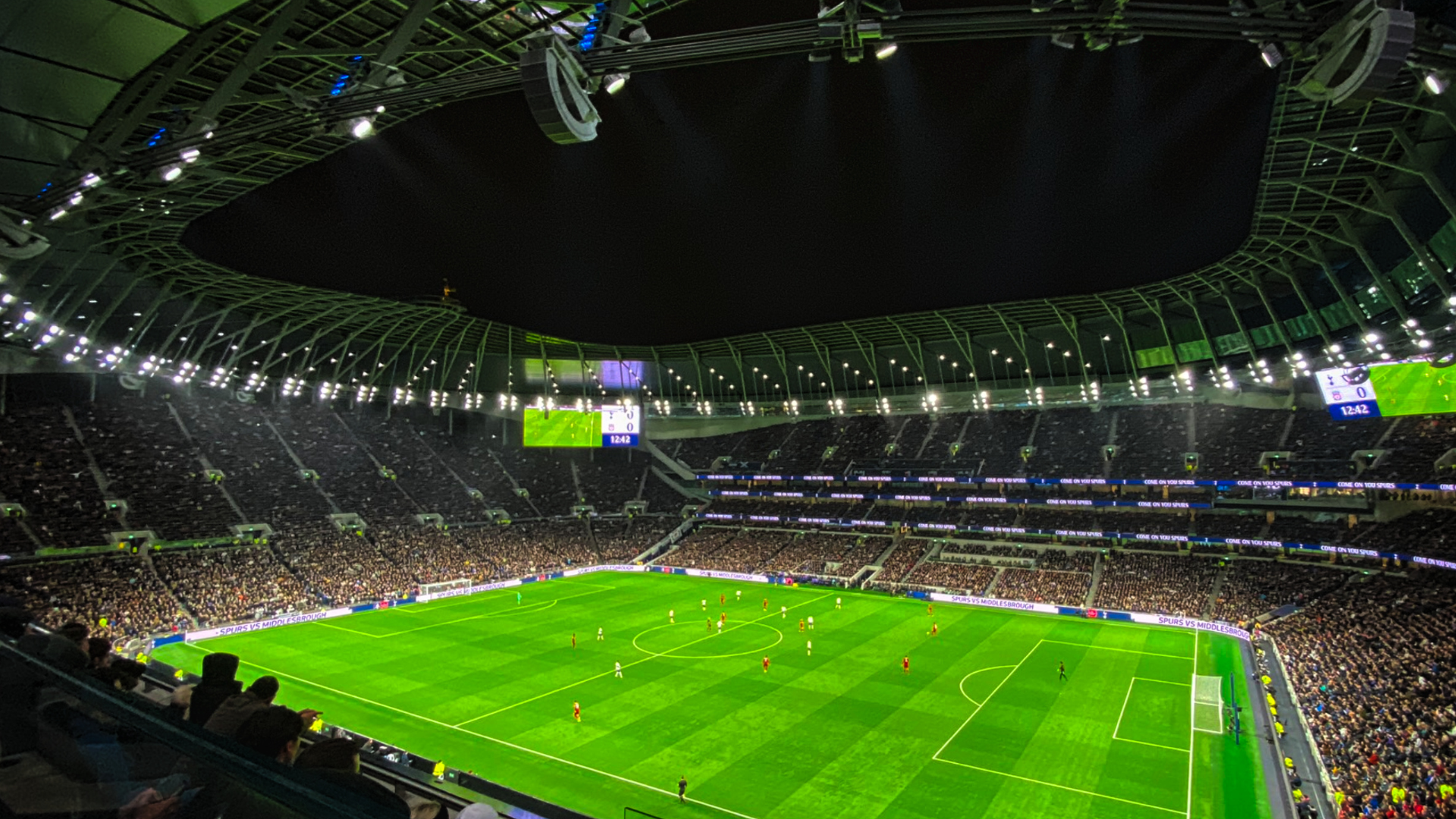
24 teams ready to compete for the ultimate victory. 31 days of football. 10 sports venues where matches will take place. Millions of fans passionately supporting their idols, whether through television or live attendance. This will be the UEFA Euro 2024 in Germany.
Those are some numbers, but there are other considerations. Often overlooked, it is crucial to analyze data from past sports events to understand how important it is for such events to respect the environment as much as possible.
World Cup in Brazil: Lights and Shadows
Flashback. Rio de Janeiro, July 13, 2014. German national team captain Lahm raises the trophy to the sky after defeating Argentina in a thrilling final. While the 2014 FIFA World Cup in Brazil was a great sporting success, environmentally, not everything was rosy.
The construction of stadiums and infrastructure led to the deforestation of approximately 500 hectares of the Amazon rainforest, a vital ecosystem for biodiversity and combating climate change.
Another concerning aspect was water consumption, estimated at around 47 million cubic meters, equivalent to the annual water consumption of about 1.5 million people.
Additionally, significant solid waste production occurred, with about 70,000 tons of solid waste generated, of which only 17% was recycled.
The Case of the 2018 World Cup in Russia
The 2018 World Cup in Russia also provided unique emotions to fans across continents. What about its environmental impact? The construction of the Saint Petersburg Stadium caused the destruction of a protected marine habitat, serving as a warning about the impact large infrastructures can have on ecosystems.
Moreover, solid waste production during the tournament reached 330,000 tons, with a recycling rate of just 40%. This highlighted the need for more efficient waste management during events of such magnitude.
The Most Sustainable and Inclusive Euros Ever
The situations analyzed are alarming. Fortunately, the organizers of Euro 2024 have understood the importance of ensuring that events of this magnitude set an example not only in sporting terms.
The UEFA Euro 2024 in Germany is set to be the most environmentally friendly and responsible sports event ever. UEFA and Germany have adopted innovative measures to reduce environmental, social, and governance impacts. The focus is particularly on transportation sustainability, responsible for 80% of the tournament’s carbon footprint. Let’s delve into some initiatives in detail.
Transportation
Key initiatives include discounted rail tickets for fans and journalists, and free public transport for staff. Grouping group stage matches geographically minimizes travel times and emissions, while national teams are encouraged to choose sustainable transport methods over air travel.
It’s no coincidence that 65% of the travel required during the group stage matches can be covered in less than three hours by bus or train. If teams were to completely eliminate flights during the group stage, CO2 emissions could be reduced by 95%, equivalent to over 840 tons.
UEFA has also invested €32 million to reduce CO2 emissions by 20%. They are committed to publishing an ESG Event Report within 90 days after the tournament ends. This is necessary to ensure transparency about their efforts.
Inclusion
Inclusion is a central theme of Euro 2024, evidenced by the reservation of over 15,000 tickets for people with disabilities. This is complemented by audio-description services for visually impaired fans. Moreover, all surplus food will be fully donated. These initiatives demonstrate the organizers’ commitment to providing fair and comprehensive access to all participants and spectators of the event, with minimal waste.
Waste Management
Sporting events like this generate huge amounts of waste, especially plastic. Bottles, cups, food, and beverage packaging contribute to the growing waste crisis. Hence, the organizers of Euro 2024 have decided to adopt a waste management system based on the principles of “reduce, reuse, recycle, repair.”
The “reduce, reuse, recycle, repair” principle promotes waste minimization through limiting the use of non-renewable resources, reusing and extending the life of objects, recycling for new material production, and repairing to keep items in use.
Stadiums
As seen, the construction and management of stadiums in events of this scale can significantly impact the environment, both during construction and in their daily operation. In the case of Euro 2024, no new stadiums were built. Instead, the 10 existing stadiums were upgraded sustainably.
Awareness and Education: Key to the Future
In conclusion, promoting environmental awareness and education among participants at the UEFA Euro 2024 is fundamental. It is crucial that all parties involved, from organizers to fans and teams themselves, play their part. This will ensure that the Euros in Germany are not only a successful sporting event but also a model of responsible and sustainable management in every aspect.