
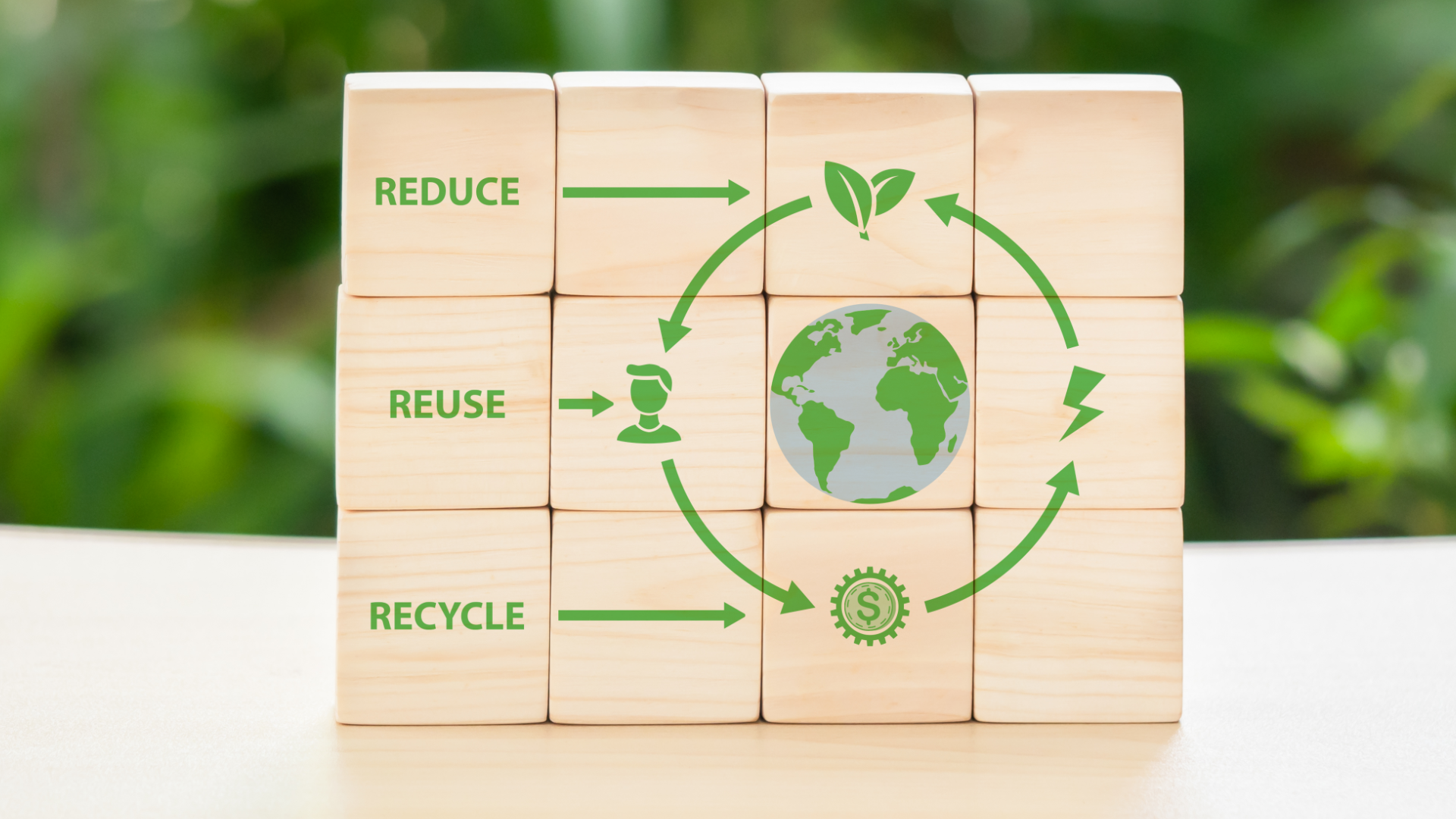
The circular economy is an economic model that aims to minimize waste and use resources sustainably. This system is based on three fundamental principles: reduce, reuse, and recycle. In practice, the circular economy seeks to transform waste into resources. This extends the lifecycle of products and promotes efficient use of raw materials.
Benefits of the Circular Economy
Adopting the circular economy globally would bring numerous advantages, both environmentally and economically. According to estimates, if all countries adopted this model, the energy footprint could be reduced by 39% by 2030. This significant decrease in CO2 emissions would help mitigate climate change and preserve natural resources for future generations.
Moreover, the circular economy is a powerful engine for economic growth. It is estimated that its implementation could create around 4 million new jobs by 2030. These new jobs would primarily be related to recycling, repairing, and reusing materials.
A Virtuous Example of the Circular Economy
A virtuous example of the circular economy is represented by Patagonia. The renowned outdoor clothing company has successfully launched the “Worn Wear” program. This initiative actively encourages customers to repair, reuse, and recycle their garments. By offering free repair services and incentivizing the return of old garments, Patagonia not only extends the life of its products but also brings them back to the market as second-hand items. This approach significantly reduces waste and promotes more conscious and sustainable consumption, demonstrating how companies can integrate ecological practices into their business models for a positive environmental impact.
The Situation in Italy: A Success Model in the Circular Economy
Now let’s delve into the situation in our country. Italy is among the pioneers in adopting the circular economy, with an impressive waste recycling rate of 72%. This extraordinary result not only highlights the country’s commitment to reducing waste but also underscores a culture increasingly oriented towards sustainability. Italian cities are transforming their waste into valuable resources, demonstrating how an innovative approach can lead to significant change.
In many communities, citizens are embracing sustainable practices, from recycling awareness campaigns to promoting second-hand markets and repairing objects. This trend not only reduces environmental impact but also stimulates the local economy, creating new job opportunities and fostering innovation.
One of the most brilliant examples is Milan. The city has implemented an extremely efficient waste separation system, becoming a reference model at the European level. This success is the result of effective collaboration between local administrations, businesses, and citizens, showing that positive change is possible when all community members work together.
Conclusion
In conclusion, embracing the circular economy not only reduces the energy footprint and stimulates job creation but also lays the foundations for a future where our planet thrives. It is an invitation to all of us to be protagonists of change. Investing in the circular economy is not only a responsible choice but a step towards a sustainable and full-of-possibilities future.