
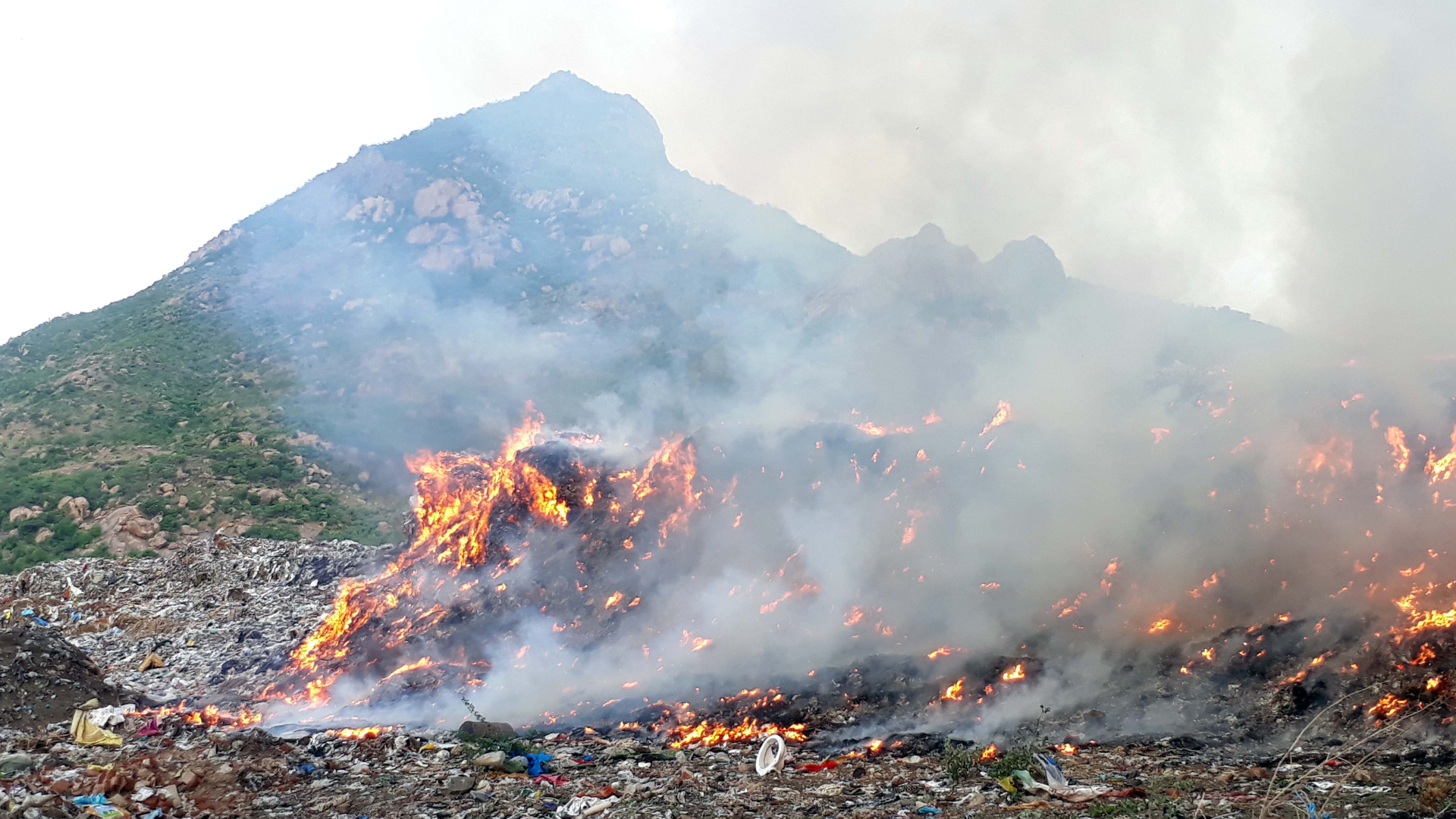
On the occasion of the International Day against Waste Burning, celebrated on October 14th, it is crucial to reflect on the environmental and human health consequences of this practice.
Burning waste may seem like a quick solution for waste disposal, but the environmental and health impacts are significant. Traditional incinerators release pollutants into the atmosphere, including dioxins, fine particulate matter, and greenhouse gases, which contribute to air pollution and global warming. Additionally, waste combustion produces toxic ash, which is difficult to manage and dispose of.
Waste-to-Energy Plants: Advantages and How They Work
Waste-to-energy plants differ from traditional incinerators because they not only burn waste but also recover the energy produced in the form of heat or electricity. This system offers significant advantages, such as reducing the volume of waste and generating renewable energy. In operation, these plants burn non-recyclable materials, converting the generated energy into electricity or using it to heat buildings.
However, waste-to-energy plants also have their drawbacks. While they are more efficient, they still emit CO2 and other pollutants, thus contributing to the carbon footprint. Energy recovery efficiency can vary, and the problem of managing the ash produced remains unsolved, as does the impact of emissions on the climate.
The Case of the Copenhagen Waste-to-Energy Plant: CopenHill
Copenhagen’s waste-to-energy plant, known as CopenHill, is an interesting example of an innovative facility. In addition to recovering energy from waste, the building features a ski slope on the roof and green areas, promoting the concept of merging utility with entertainment. With a treatment capacity of approximately 400,000 tons of waste per year, CopenHill also generates up to 160,000 megawatt hours of electricity.
However, CopenHill is not without its issues. While it is praised for its energy efficiency, the plant still produces significant CO2 emissions, estimated at around 120,000 tons of CO2 annually. Growing environmental awareness has led residents and environmentalists to call for more sustainable alternatives. These solutions aim to manage waste in a less impactful way.
Environmental Impact and Carbon Footprint
The environmental impact of waste-to-energy plants, including CopenHill, cannot be ignored.
Despite producing clean energy, these plants emit CO2 and other pollutants into the atmosphere, exacerbating climate change. The carbon footprint associated with waste burning remains high, especially when compared to more sustainable solutions like recycling and composting.
Alternative Solutions to Reduce Waste
To address the waste problem more sustainably, it is necessary to adopt strategies that focus on reducing waste production. Solutions include promoting recycling, composting, and material reuse. The goal should be to prevent waste from ending up in waste-to-energy plants or landfills.
Additionally, proper waste management can begin with greater consumer awareness and responsibility. Practices such as reducing packaging, purchasing durable products, and promoting reuse are essential to reducing the amount of waste produced.
TreeBlock One: A Sustainable Future
TreeBlock fits into this context as an innovative solution for waste management. Thanks to its advanced technology and efficient management systems, TreeBlock One helps companies reduce waste and optimize the disposal process. The goal is to reduce overall environmental impact by promoting a circular economy in which materials are reused as much as possible, minimizing final waste.
Conclusion
Despite the advantages of energy recovery, burning waste remains a polluting and unsustainable practice in the long term.
Copenhagen’s waste-to-energy plant is an interesting example, but the need to reduce emissions is evident. It is essential to adopt more sustainable alternatives. The path toward a low-environmental-impact future requires innovative solutions like TreeBlock, which aim to reduce waste at the source, optimize resource use, and promote circularity.