
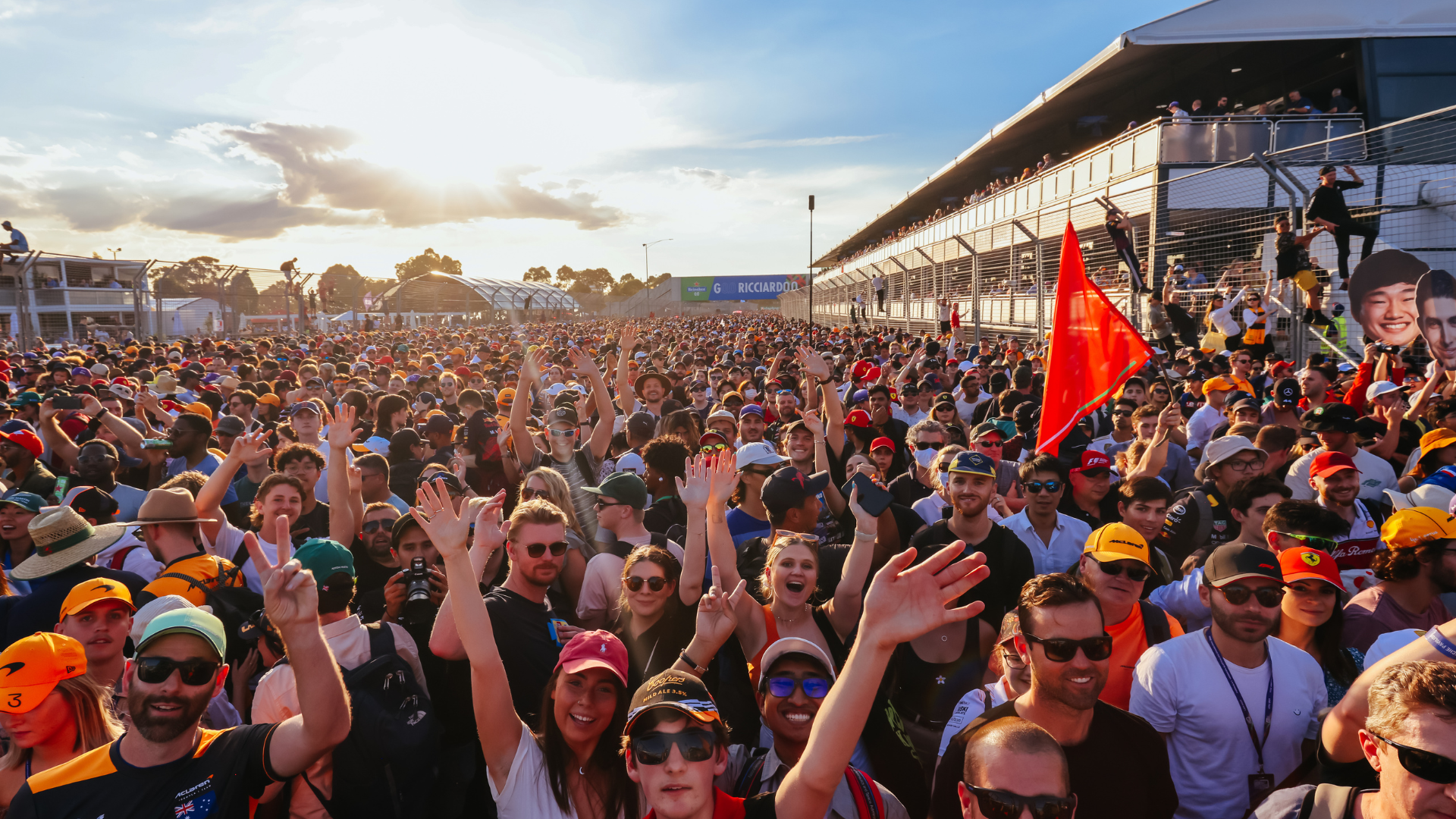
“This is one of the best tracks in the world, it’s a moral duty to be here.” These words were spoken by Lewis Hamilton in 2017, not exactly a Ferrari flagbearer. This highlights the respect that drivers have for this historic circuit.
The wait is almost over: on September 1st, Monza will once again transform into the beating heart of Formula 1, hosting one of the most iconic races on the calendar. But this year, in addition to the speed and thrill of the Italian Grand Prix, there’s a theme that is capturing more and more attention: sustainability. Formula 1 has embarked on an ambitious journey towards a zero-emission future, with a concrete commitment to reducing environmental impact. So, what exactly is the project about?
Technological Innovation
Formula 1 is increasingly synonymous with technological innovation and is accelerating towards more sustainable motorsport. Systems like KERS and ERS demonstrate how F1 combines energy efficiency with high performance. These systems recover energy that would otherwise be lost during braking, converting it into additional power. This allows the cars to reduce fuel consumption without compromising speed. Moreover, the use of advanced aerodynamic materials enables cars to glide through the air with less resistance, further improving fuel efficiency.
Net Zero Goal
Between 2018 and 2022, Formula 1 reduced its carbon footprint by 13%, a significant achievement for a global organization of this size. To put this result into perspective, it meant a 37% reduction in CO2 emissions.
Formula 1 aims to reach Net Zero by 2030. This goal involves balancing the carbon emissions produced with those removed from the atmosphere, achieving a net zero environmental impact. To reach this milestone, F1 has launched several strategies. Among these is a complete overhaul of logistics to reduce transport-related emissions. Additionally, they are developing 100% sustainable biofuels, set to be introduced by 2026.
Towards a Sustainable Future: Current Initiatives
Beyond long-term goals like Net Zero, Formula 1 is already implementing concrete measures to reduce the environmental impact of events. Among these initiatives is the reduction of single-use plastics in the paddocks. Formula 1 also promotes the use of reusable bottles and the installation of water stations.
By 2025, all Formula 1 events will be sustainable, and new technologies are already being tested. One example is the eco-friendly power station tested at the Austrian Grand Prix paddock, aiming to reduce emissions from 200 to 10 tons. Additionally, the goal of using 100% renewable energy in F1 offices demonstrates a strong commitment to environmental sustainability.
Dutch GP: A Concrete Example
Let’s focus on Zandvoort. During the Dutch Grand Prix, the circuit launched a project to restore the surrounding dunes. This intervention aims to protect the local ecosystem and preserve biodiversity. However, what caught attention on social media was a photo of 45,000 bicycles parked on the beach during the event. This wasn’t a coincidence but the result of years of work by the organizers. Their goal was clear: to make the event car-free. They almost completely succeeded, with 98% of spectators reaching the event by public transport, bicycle, or on foot.
The Commitment Behind the Goals
The commitment required to achieve sustainability goals is evident: nothing can be accomplished without a well-defined strategy and a forward-looking vision. When goals are clear, even what initially seems impossible can become a reality. It is crucial to have a 360-degree plan, taking into account not only economic but also social aspects. As demonstrated, F1 is in pole position for the future.
TreeBlock One: The Future of Sustainability in F1
In this context, our software TreeBlock One can play a crucial role. Thanks to its advanced features, TreeBlock One allows teams involved in the Net Zero project to monitor carbon emissions in real-time during races, in facilities, and during transport, enabling more efficient energy management. Moreover, TreeBlock One facilitates transparent reporting on sustainability progress, ensuring that every step towards a zero-emission future is documented and verifiable.
Hoping to witness a spectacular race, in the meantime, go Ferrari!