
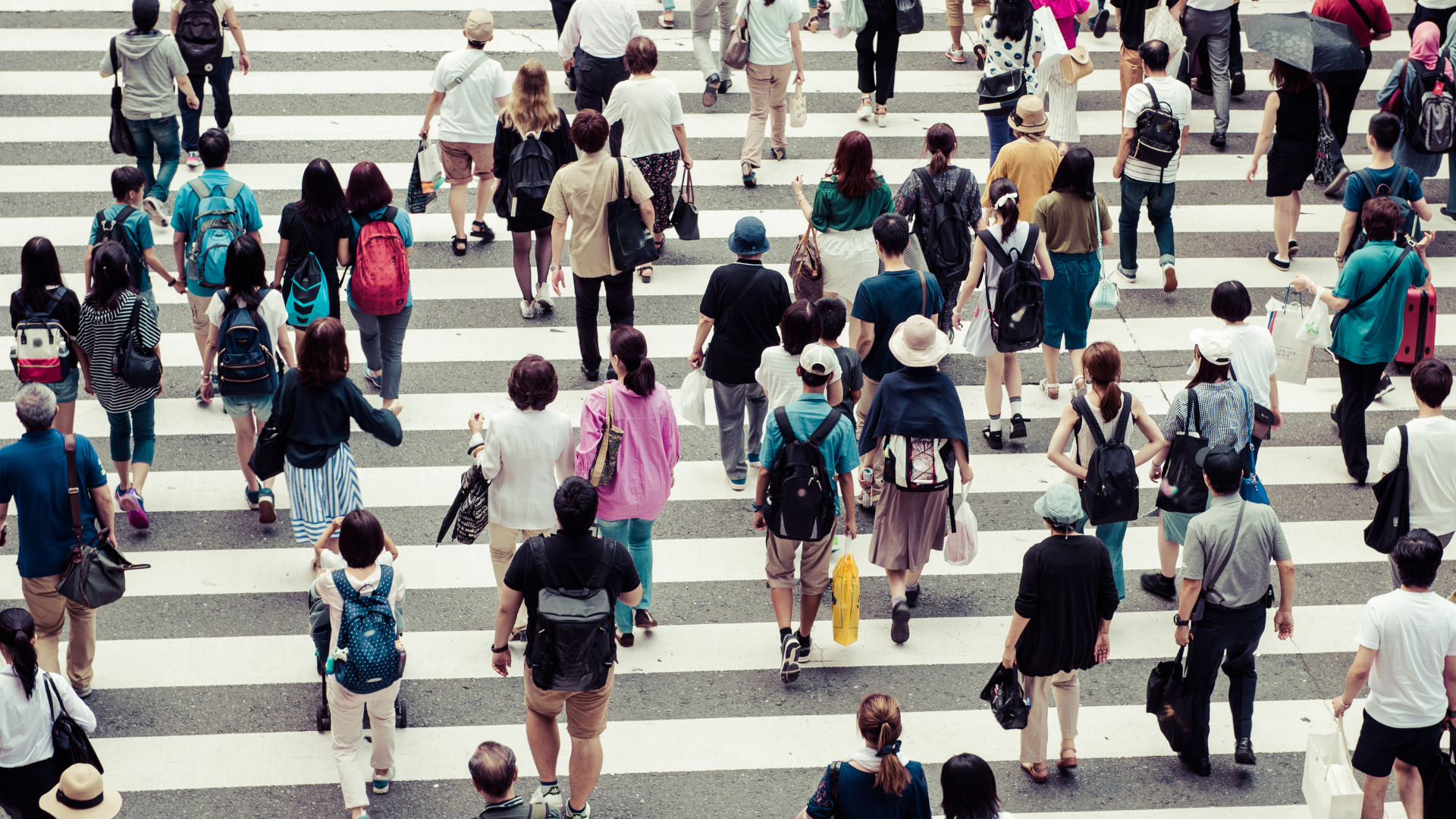
Loving vacations is natural: who doesn’t dream of exploring new destinations, discovering different cultures, and breaking away from the daily routine? However, it is essential to reflect on what happens when mass tourism becomes uncontrolled. Uncontrolled vacation traffic is indeed emerging as one of the global concerns, with significant repercussions on both the environment and the social life of local communities. Let’s analyze this phenomenon with concrete examples.
Venice: The Environmental Impact of Mass Tourism
Mass tourism can lead to an overload of infrastructure and an increase in CO2 emissions, especially in cities with high tourist influx. Venice is an emblematic example of how tourism can exert unsustainable pressure. Every year, Venice welcomes millions of visitors. This influx increases emissions of nitrogen dioxide (NO2) and contributes to air pollution.
The NO2 emissions in Venice mainly come from maritime traffic, including vaporetti, private motorboats, and cruise ships. These vessels, often fueled by fossil fuels, release significant amounts of NO2, a harmful gas responsible for air pollution and smog formation. The city’s particular layout, with narrow canals and limited natural ventilation, further exacerbates air quality issues.
To tackle this challenge, Venice has introduced measures such as an entrance fee for tourists, regulating flows and funding maintenance. This initiative has sparked debates about its effectiveness in reducing environmental impact and improving quality of life.
Barcelona: The Social Pressure of Uncontrolled Tourism
Uncontrolled vacation traffic not only affects the environment but also has a significant impact on social cohesion and the quality of life of residents. In Barcelona, this issue has reached critical levels in recent years. The city has seen a substantial increase in visitors, leading to overcrowding that has transformed the urban fabric and daily life of its inhabitants. Streets and public transport are constantly congested, making it difficult for residents to move freely and enjoy their own city.
Tourist pressure has caused a rise in rental prices, pushing many residents out of central neighborhoods. Tourist apartments now dominate the central areas. Protests against mass tourism are frequent, with the slogan ‘Barcelona is not for sale.’ This slogan expresses the growing frustration of a population that feels it has sacrificed its cultural and social identity for the profit linked to tourism. Citizens are calling for policies that prioritize community well-being and preserve the city’s essence, threatened by unsustainable development.
Solutions and Future Perspectives
To mitigate the impact of vacation traffic, more creative and sustainable solutions need to be considered. Implementing reservation systems and limited access for major attractions could help reduce overload. Promoting experiential tourism can help discover lesser-known areas and support local communities. Additionally, introducing incentives for travelers during off-peak seasons can achieve a more balanced tourist flow. This strategy reduces pressure during peak periods and distributes the benefits of tourism more equitably.
Vacation Traffic and Sustainable Solutions
With the return from vacations, traffic increases by 30% during the last weekend of August, negatively impacting the environment. To limit CO2 emissions and other pollutants, we can opt for sustainable solutions. Carpooling, which involves sharing a car with others, reduces the number of vehicles on the road. Using public transportation or traveling during less busy times are other effective strategies to minimize the environmental impact of vacation traffic.
Conclusion
The impact of vacation traffic is a complex reality that cannot be ignored. It is crucial to adopt a new approach that balances economic growth, environmental protection, and social well-being. Only an integrated approach can preserve tourist destinations and ensure a good quality of life for residents.