
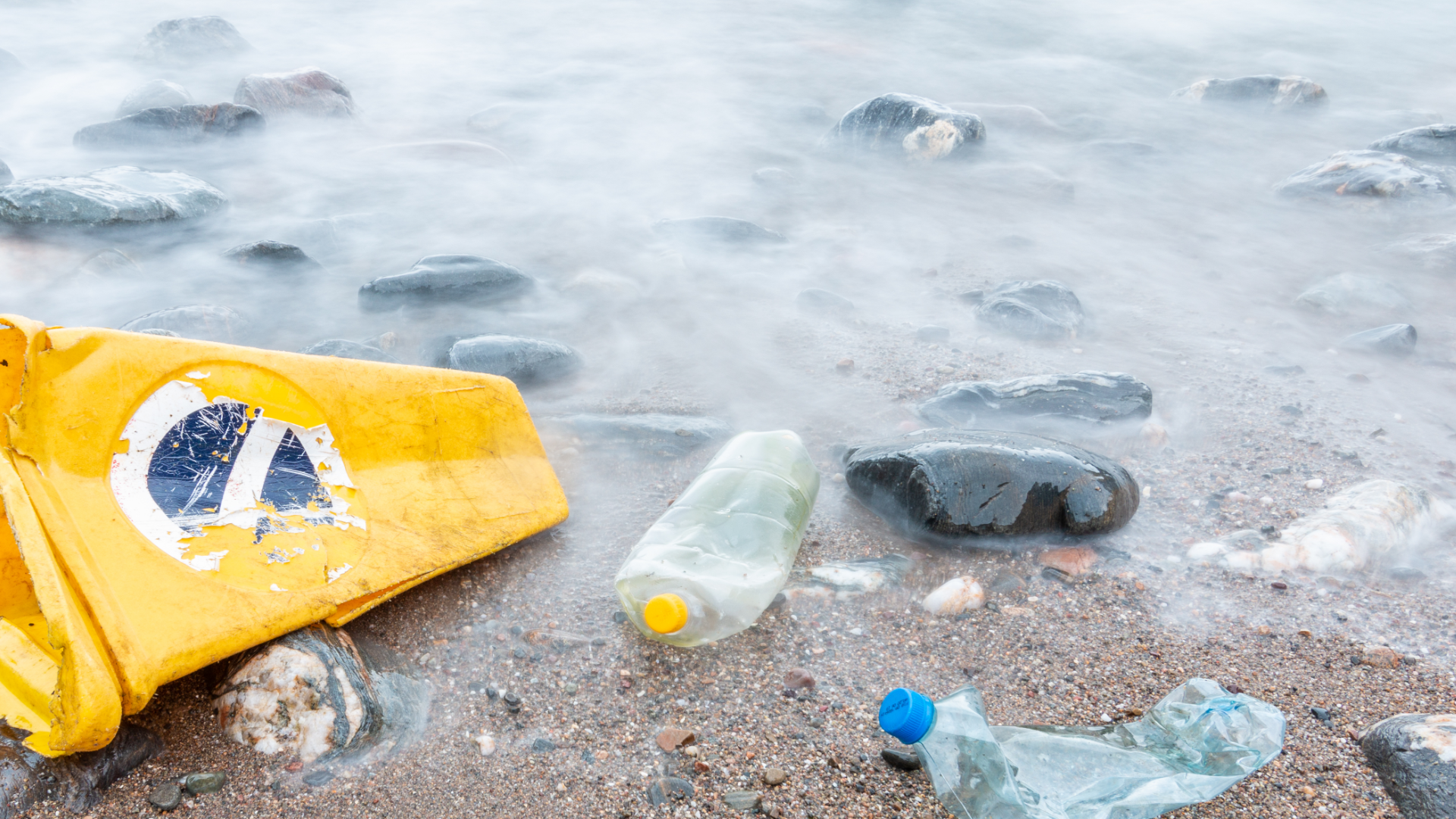
June 8th is World Oceans Day, established by the United Nations to commemorate the anniversary of the 1992 Rio de Janeiro Conference on Environment and Development. This date was chosen to highlight the crucial importance of oceans and water resources for life on our planet. Water is often called blue gold for its fundamental role globally. It is indeed a vital and irreplaceable resource for life on our planet. Despite this, its management and sustainable use still represent a global challenge.
The importance of water worldwide
Water covers about 71% of the Earth’s surface, but only a small portion of it is usable for human consumption. In fact, less than 3% of the planet’s water is fresh. Of this, a large percentage is trapped in glaciers and polar ice caps. This limited availability makes water a precious and critical resource for human survival, food production, industry, and natural ecosystems.
This scarcity of fresh water is particularly evident in countries like India, the most populous in the world. Here, water reserves are under severe pressure. The growing population, combined with intensive agricultural practices and climate changes, has led to a drastic decrease in fresh water reserves. Cities like Chennai have experienced periods of “Day Zero.” The potable water reserves are practically exhausted, leaving millions of people without access to water. This water crisis highlights the urgent need for sustainable water resource management to avoid disasters.
The oceans
The oceans regulate the global climate by absorbing about 30% of the carbon dioxide produced by human activities and generating over 50% of the oxygen we breathe. They are essential for biodiversity, hosting millions of species, many of which have yet to be discovered. Additionally, more than 3 billion people directly depend on the oceans for their livelihood, and maritime transport accounts for about 90% of world trade.
However, the oceans face serious problems caused by human activities. Plastic pollution is particularly devastating, with over 8 million tons of plastic ending up in the oceans every year, damaging marine life and ecosystems. Ocean acidification, due to increased CO2 levels, threatens marine life, including corals, which are vital for marine biodiversity. Furthermore, the overexploitation of fishery resources has led to a drastic decrease in the populations of many fish species. All of this jeopardizes the balance of marine ecosystems.
The importance of sustainability
Sustainability is a fundamental concept for water management. It involves using water resources in a way that ensures their availability for future generations while minimizing environmental impact. Companies play a key role in this context. They can adopt practices and technologies that reduce water consumption, improve efficiency, and promote reuse and recycling.
But how can companies achieve all this? Thanks to innovative software developed by TreeBlock. TreeBlock allows companies to monitor and evaluate water consumption in real-time. This tool not only helps identify waste and inefficiencies but also provides crucial data to implement saving and sustainable water management strategies. With TreeBlock, companies can take a proactive approach to water management, contributing to a more sustainable future.
Conclusion
In an era where access to clean water is increasingly threatened, adopting a sustainable approach to its management is essential. Companies can play a decisive role in water conservation, helping to preserve this precious resource. Protecting water means protecting our planet and the future of generations to come.